


The Death of Golf's Dress Code: A New Era for the Game

Updated: Aug 21
The collared shirt requirement that defined golf for generations has quietly expired. Walk onto most courses today, and you'll see the evidence everywhere. Hoodies paired with golf shorts. Sneakers instead of spikes. Untucked polos and wrinkled khakis. The revolution happened while traditionalists weren't looking.
The Numbers Tell the Story
US golfers aged 18-34 now represent the largest group of on-course players at 6.3 million Americans. This demographic shift carries profound implications for every aspect of golf culture, especially dress codes. These younger players bring different values to the game. They prioritise comfort over conformity and authenticity over tradition.
Junior golfers across both the US and Europe have seen a 48% increase since 2019, with 29% being people of colour compared to just 6% twenty years ago. This diverse generation refuses to check their personal style at the clubhouse door. The data reveals more than demographic change; it shows a fundamental shift in golf's cultural DNA.
What Death Looks Like
Traditional dress codes died through neglect rather than revolution. Most modern clubs no longer have definitive dress codes, offering guidance instead of rigid requirements. You can see the evidence in pro shops across the globe. Golf retailers now dedicate entire sections to athleisure-inspired golf wear. The old uniform of pressed khakis and tucked polos occupies shrinking real estate.
In the UK, course marshals spend their time managing pace of play, not policing shirt tucks.

The Athleisure Revolution

The 2010s brought the athleisure trend that blurred lines between athletic wear and casual clothing. Hoodies, joggers, and sneakers began appearing on golf courses, challenging traditional notions of acceptable attire. This shift reflected broader societal changes as younger generations embraced relaxed, informal styles across all aspects of life. Golf couldn't remain immune to this cultural evolution.
The athleisure movement gave golfers permission to prioritise comfort and functionality over formal appearance standards.
Life isn't perfect, but your golf outfit can be. Ladygolfwear.com.au
Courses Are Already Adapting
Most modern clubs have abandoned definitive dress codes entirely. Instead, they offer guidance about suitable attire while allowing significant flexibility. The change reflects economic reality as much as cultural evolution. Golf's dress code pushes away more golfers than any other aspect of the game.
Course operators recognise that rigid clothing requirements create unnecessary barriers to participation. Every potential player turned away represents lost revenue and missed opportunities for community building. Smart facilities focus on pace of play and course etiquette instead of fabric choices. Municipal courses led this transformation. Public facilities serving diverse communities couldn't afford to alienate potential players over clothing preferences.
The Mental Health Connection
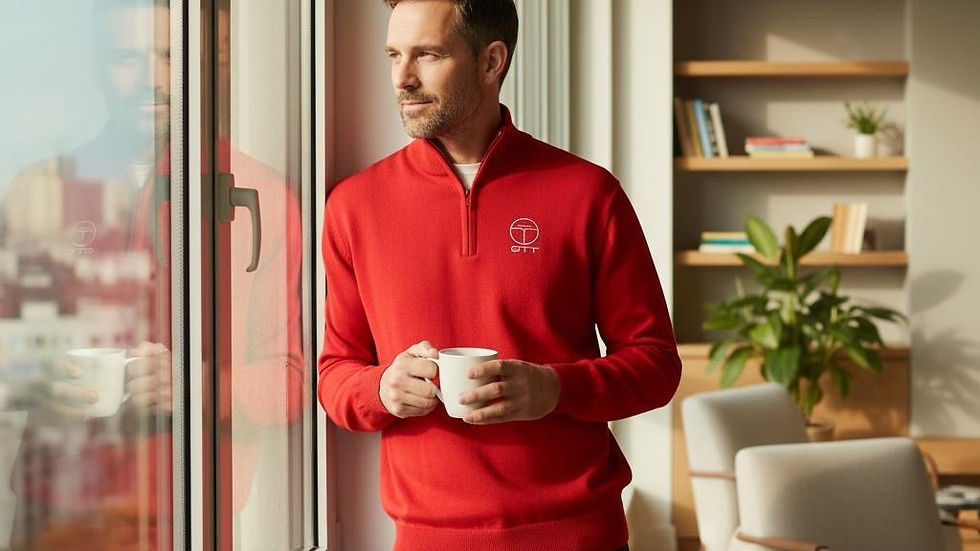
Modern golfers approach the game differently than previous generations. A majority of Gen Z (51%) ranks mental health and self-care as their top reason for playing golf. This perspective prioritises comfort and stress reduction over adherence to formal dress traditions. Players seeking mental wellness benefits resist additional anxiety about appearance compliance.
The connection between clothing comfort and psychological well-being influences how younger players engage with golf culture. Restrictive dress codes create psychological barriers that contradict golf's therapeutic benefits. Players report feeling more relaxed and focused when wearing comfortable, familiar clothing.
Fashion Industry Recognition
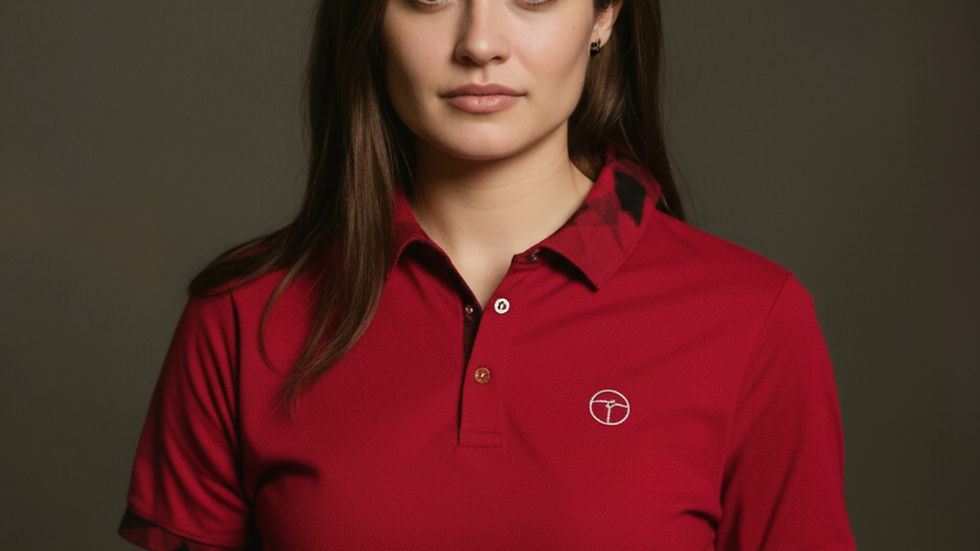
Major fashion publications now feature golf attire in mainstream style coverage. GQ and Vogue dedicate editorial space to golf fashion, signalling broader cultural acceptance. Sporting goods chains allocate entire sections to modern golf apparel that bridges course and street wear. This crossover appeal indicates golf fashion's evolution beyond traditional boundaries.
Brands report significant demand from customers who appreciate golf aesthetics but may not play regularly. The style transcends the sport itself. Fashion weeks in major cities now include golf-inspired collections. Luxury brands create limited-edition golf lines that sell out immediately.
The Streetwear Invasion

Streetwear brands are disrupting golf fashion by creating lines that appeal to both serious golfers and fashion customers. Companies like Off the Tee, Bogey Boys, and Malbon Golf have flourished as casual brands. These newcomers understand that young players see no reason to dress differently on the golf course than in their everyday lives. This philosophy drives product development and marketing strategies.
Traditional golf apparel companies scramble to adapt their offerings to compete with streetwear-inspired alternatives.
Clothes mean nothing until someone lives in them. Marc Jacobs
Professional Tour Pressure
Professional golf maintains strict appearance standards that increasingly contrast with amateur play. This disconnect creates tension between elite competition presentation and grassroots participation growth. Critics argue that tour-level dress requirements influence club policies unnecessarily. The professional game's conservatism may inadvertently limit recreational golf's accessibility.
Some industry observers suggest professional tours should consider relaxed standards to better reflect modern golf culture. The PGA Tour's rigid grooming and dress standards feel increasingly antiquated compared to other professional sports that have embraced player expression.
Regional Variations and Cultural Differences
Dress code evolution does vary by geographic region and cultural context. Parkland golf culture maintains a stronger attachment to formal dress traditions, while Links and Urban courses appear to prioritise accessibility over appearance standards. Climate also influences dress code flexibility. Courses in hot, humid regions recognise that comfort directly impacts player safety and enjoyment.
Asian golf markets, particularly in urban areas, embrace casual dress codes to attract younger players and compete with other recreational activities. Australian and New Zealand golf cultures have long embraced practical, climate-appropriate clothing choices that influence global trends.
Technology's Role in the Transformation
Advanced fabric technologies blur the lines between athletic wear and traditional golf clothing. Moisture-wicking, stretch materials provide performance benefits that formal wear cannot match. Smart textiles integrate temperature regulation and UV protection into casual-looking garments. These innovations make comfort-focused clothing choices more appealing to performance-minded golfers.
Wearable technology integration requires clothing designs that accommodate devices and sensors, further pushing golf fashion toward athletic wear aesthetics.
Best Practices for Embracing Change

Focus on Function Over Form
Prioritise clothing that enhances performance and comfort. Modern golf apparel offers technical benefits through moisture-wicking fabrics and flexible construction. Consider weather conditions and course demands when selecting attire. Practical choices often align with relaxed dress code principles.
Respect the Setting
Different courses maintain different standards based on their membership and traditions. Research facility expectations before arriving. Private clubs may retain formal requirements while public courses embrace casual approaches. Understanding context prevents awkward situations.
Embrace Personal Style
Use golf as an opportunity for authentic self-expression within reasonable boundaries. Personal style choices can enhance confidence and enjoyment. Experiment with colours, patterns, and silhouettes that reflect individual preferences while maintaining course appropriateness.
Consider Practical Elements
Choose footwear that provides adequate traction and support. Comfort during a four-hour round outweighs strict adherence to traditional shoe styles. Select clothing that allows a full range of motion for golf swings. Restrictive formal wear can negatively impact performance.
Build Bridge Wardrobes
Invest in versatile pieces that work both on and off the course. Modern golf fashion increasingly supports multi-environment use. Look for items that maintain golf functionality while reflecting contemporary style sensibilities.
Economic Implications
Relaxed dress codes remove financial barriers to golf participation. Traditional golf attire requirements create additional expense categories for new players. Players can utilise existing athletic wear instead of purchasing specialised golf clothing. This accessibility factor particularly benefits younger demographics with limited discretionary spending.
Course revenue increases when dress code barriers disappear. More comfortable players tend to play more frequently and spend more time at facilities. Golf equipment manufacturers report increased sales when clothing barriers decrease. Players who feel welcome are more likely to invest in equipment and lessons.
The Inclusion Factor

Strict dress codes historically excluded players who couldn't afford traditional golf attire or felt unwelcome in formal environments. Relaxed standards remove these psychological and economic barriers. Women golfers particularly benefit from expanded clothing options that prioritise comfort and functionality over traditional feminine golf fashion constraints.
Players from diverse cultural backgrounds can incorporate elements of their personal style without feeling pressure to conform to European-derived fashion traditions.
Cultural Evolution in Action
Streetwear brands now create golf-specific lines that blur traditional boundaries. Companies like Off the Tee, Malbon Golf, and Bogey Boys market to both serious golfers and fashion-conscious consumers. This crossover approach reflects golf's expanding cultural relevance beyond traditional demographics. The sport gains mainstream appeal through style accessibility.
Celebrity golfers and influencers showcase diverse style approaches that inspire broader participation. Social media amplifies these alternative fashion expressions. Hip-hop artists and athletes bring their personal style to golf, creating aspirational examples for younger players who previously felt excluded from golf culture.
The Resistance Factor
Some traditionalists view dress code relaxation as cultural degradation. They argue that formal attire maintains golf's distinctive character and respect for the game. These perspectives deserve acknowledgment while recognising participation growth benefits. Balance between tradition and accessibility requires thoughtful navigation.
Successful facilities often maintain optional formal events while embracing casual standards for regular play. Private clubs face particular challenges balancing member preferences with broader cultural trends and business sustainability concerns.
The Business Case for Change

Golf facility operators increasingly recognise dress codes as business impediments rather than quality indicators. Market research consistently shows clothing requirements deter potential players. Successful course operators focus on creating welcoming environments that encourage repeat visits and positive word-of-mouth marketing.
Revenue data supports casual dress policies. Courses that relaxed dress codes report increased rounds played and higher food and beverage sales.
Future Outlook
Golf's dress code evolution will likely continue toward greater flexibility and personal expression. Demographic trends support this trajectory. Technology integration in golf apparel will further blur lines between athletic wear and traditional golf clothing. Performance benefits will drive adoption over appearance conventions.
Successful golf businesses will adapt their policies to match evolving player expectations while maintaining appropriate standards for their specific markets. The next generation of golf course designers and operators will likely eliminate dress code considerations entirely, focusing on course quality and customer service instead.
Frequently Asked Questions
Are dress codes completely gone from all golf courses?
No, but most courses have significantly relaxed their requirements. Private clubs may maintain stricter standards, while public courses generally embrace casual dress policies. Always check specific course requirements before your visit.
What should I wear if I'm new to golf?
Focus on comfort and functionality. Athletic shorts or pants, a collared shirt or polo, and comfortable athletic shoes work at most courses. Avoid denim, tank tops, and flip-flops as these remain restricted at many facilities.
Do professional tournaments influence amateur dress codes?
Professional tour standards have less influence on amateur play than in the past. Most recreational golfers prioritise comfort and personal style over professional appearance standards.
How do I know what's appropriate at different courses?
Check the course website or call ahead. Private clubs typically maintain more formal requirements, while public and municipal courses embrace casual standards. When in doubt, business casual attire works almost everywhere.
Are there still courses that enforce strict dress codes?
Yes, particularly exclusive private clubs and some resort courses. However, these represent a shrinking minority of golf facilities. Most courses prioritise welcoming players over enforcing appearance standards.
What about footwear requirements?
Most courses still require closed-toe shoes for safety reasons. Traditional golf shoes aren't mandatory at many courses, but athletic shoes should provide adequate traction and support.
How has women's golf fashion evolved?
Relaxed dress codes generally improve golf's accessibility and appeal to younger, more diverse players. While some traditionalists express concerns, participation data supports casual dress policies.
Do dress code changes affect golf's image?
Relaxed dress codes generally improve golf's accessibility and appeal to younger, more diverse players. While some traditionalists express concerns, participation data supports casual dress policies.
What's the difference between public and private course expectations?
Public courses typically embrace casual dress standards to maximize accessibility. Private clubs may maintain formal requirements based on member preferences and club traditions.
How should I dress for a golf lesson or clinic?
Comfortable athletic wear that allows full range of motion works best for instruction. Focus on clothing that won't restrict your swing or cause distraction during learning.
Are there seasonal dress code considerations?
Weather-appropriate clothing takes priority over traditional dress standards at most courses. Hot weather may allow tank tops and shorts, while cold weather permits layers and non-traditional golf outerwear.
How do I balance personal style with course expectations?
Research specific course policies and choose clothing that reflects your style while respecting facility standards. Most courses accommodate personal expression within reasonable boundaries.
The transformation is already complete at the grassroots level.
Smart operators recognise that golf's future depends on welcoming players as they are, not demanding they conform to outdated appearance standards. The death of golf's sacred dress code opens space for the sport's continued growth and cultural evolution.


Comments